Subcontractor Labor Drives January Cost Gains Across EPC Sector
Key Highlights
-
Subcontractor labor costs posted the strongest monthly gain, with I&E trades leading in multiple US regions
-
Electrical equipment and transformers remain under persistent supply chain pressure entering 2026
-
Six-month expectations for labor are rising, even as materials outlook cools modestly

NEW YORK, NY — Engineering and construction costs increased again in January, building on December’s rebound, according to the Engineering and Construction Cost Indicator from PEG and S&P Global Market Intelligence.
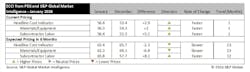
The headline index rose to 56.4 in January, up from 53.4 in December and remaining firmly above the neutral 50 mark, signaling expanding wage and material inflation across the engineering, procurement and construction (EPC) sector.
Subcontractor labor costs were the primary driver of the increase, while materials and equipment pricing continued to show upward momentum in key categories.
Subcontractor Labor Emerging as Primary Cost Driver
The sub-indicator for subcontractor labor costs climbed sharply in January, reflecting strengthening pricing conditions across multiple regions and trades.
While many categories remained at a neutral reading of 50.0, mechanical and instrumentation and electrical (I&E) subcontractor costs rose significantly in the US South and Eastern Canada, with diffusion scores reaching as high as 75.0. Those increases point to renewed wage pressure in key industrial and energy markets.
Six-month expectations for subcontractor labor strengthened even further, rising to 65.8 from 57.7 in December. I&E labor in the US Northeast, US South, US West and Western Canada showed the strongest upward expectations, suggesting contractors should anticipate continued escalation in specialized electrical and controls labor.
Materials and Equipment Show Mixed but Upward Momentum
The materials and equipment sub-indicator increased two points to 56.3, with seven of 12 tracked components posting gains.
Copper-based wire and cable, electrical equipment and transformers recorded the strongest readings, each with diffusion scores above 70.0. Redi-mix concrete, shell and tube heat exchangers, ANSI pumps and compressors and fabricated structural steel also moved higher.
However, alloy steel pipe, turbines and both major ocean freight lanes declined month over month, with ocean freight showing the largest drop. Carbon steel pipe remained flat, indicating stability in that segment.
“Electrical equipment in general and transformers continue to show persistent supply chain issues to open 2026, something that has defined the category for quite some time,” said Maxwell Clarke, Principal Economist, S&P Global Market Intelligence. “Looking ahead, prospects for improvement in pricing conditions appear limited, caught between limited availability in electrical steel and continued pressure related to tariffs.”
Six-Month Outlook Moderates - But Remains Elevated
While current costs are rising, the six-month headline expectations indicator eased to 63.4 in January.
The materials and equipment outlook declined to 62.3, down 6.8 points from December, with seven of 12 categories posting decreases. Alloy steel pipe saw the largest drop, followed by fabricated structural steel, carbon steel pipe and ANSI pumps and compressors. Redi-mix concrete and turbines also moderated.
Copper-based wire and cable was the primary upward contributor to the forward outlook, posting a 14.3-point increase, while transformers and electrical equipment remained unchanged.
Despite the softening in materials expectations, overall readings remain above neutral, indicating that contractors should continue to anticipate elevated input pricing through mid-2026.
No Reported Shortages, Activity Picking Up
Survey respondents reported no material shortages in January. Participants also noted increased activity in precious metals projects, signaling potential growth in select industrial segments.
For EPC contractors and industrial project teams, January’s data underscores continued cost escalation risks—particularly in electrical equipment and specialized labor—even as some material categories show early signs of stabilization.
To learn more about the Engineering and Construction Cost Indicator or to obtain the latest published insights visit www.spglobal.com/market-intelligence/en/news-insights/resources/spglobal-peg-ecci.